
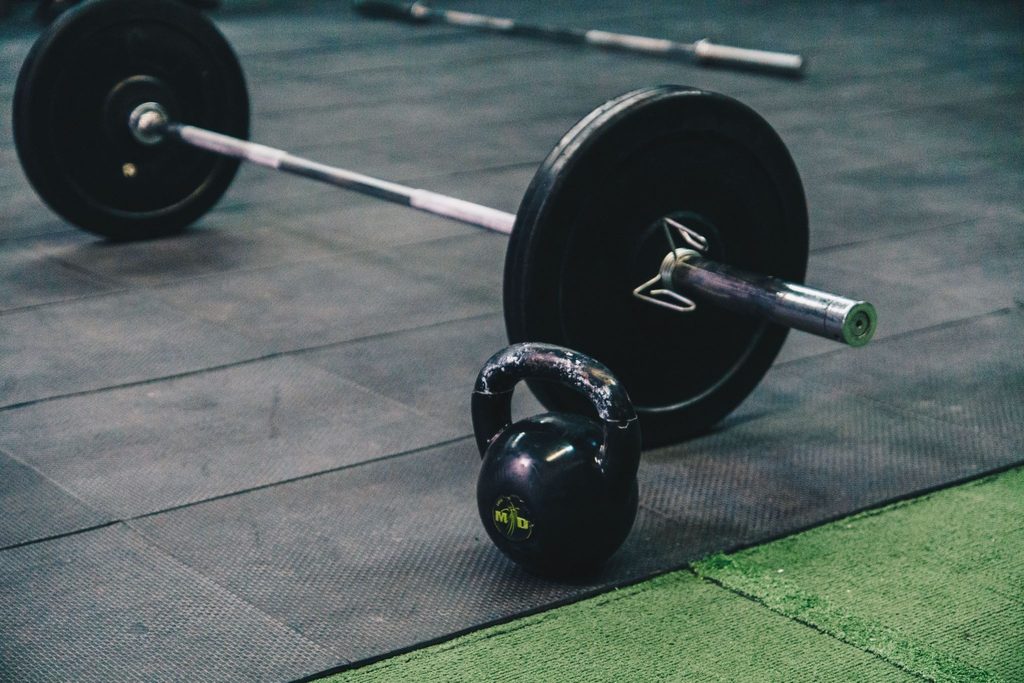
Canadian winters can be brutal on a garage gym. With temperatures falling well below freezing, a workout space can be uncomfortable before you have even picked up a dumbbell. If you want to keep training at your garage gym year-round, it’s important to winterize it before the first major cold snap. Here are the key steps to prepare a Canadian garage gym for winter.
1. Evaluate Your Insulation and Structural Drafts
Canadian winters can bring daytime temperatures as low as minus 15° Celsius and nighttime temperatures as low as minus 35° Celsius. A garage with inadequate insulation can lose heat quickly at those temperatures, making it difficult to maintain a comfortable training environment.
Start by checking the garage door, walls, ceiling, windows, and exterior doors for adequate insulation. Then look for gaps where cold air can enter, particularly around the garage door perimeter, bottom seal, windows, and utility penetrations.
Insulation slows heat transfer through the garage’s surfaces, whereas draft sealing prevents outside air from entering through gaps. Check weatherstripping for cracks or deterioration and replace damaged sections before winter. Smaller stationary gaps around windows and other openings may be sealed with an appropriate caulk or sealant. A well-insulated, properly sealed garage can also make your heating system work more effectively.
2. Set up Safe Heating
The heating system that keeps the house comfortable may not extend into the garage. Statistics Canada reports that forced-air furnaces accounted for 46% of primary heating systems in Canadian homes in 2023, followed by electric baseboard heaters at 23% and heat pumps at 8%. That means many homeowners already have a central system keeping their living space warm, but their garage may still need its own heating solution.
For a garage gym, choose a heater designed for the space’s size and conditions. Follow the manufacturer’s installation and clearance requirements, and keep the unit away from weights, rubber flooring, stored equipment, clothing, and other combustible materials. Position it where it cannot be knocked over during a workout or have its airflow blocked.
Check the garage’s electrical capacity, too. A heater running alongside a treadmill, exercise bike, lighting, or other powered equipment can place a significant demand on a circuit. Check the heater’s requirements and have electrical work completed by a qualified professional where necessary.
3. Choose Flooring That Can Handle Canadian Winters
Garage flooring has to withstand more than regular workout traffic. Cold temperatures, moisture, dropped weights, and repeated impact can all take a toll on a bare concrete floor.
Gym-specific rubber flooring or interlocking rubber tiles are practical options for strength training and general workouts. The right thickness depends on how the space will be used. A garage with heavy free weights or large strength machines generally needs more impact protection than one used mainly for body weight exercises.
Rubber flooring also creates a buffer between the equipment and the concrete underneath. During winter, snow and slush can be tracked indoors, so choose a surface that is straightforward to clean and maintain. The floor should support the entire setup, from keeping equipment stable during workouts to protecting the underlying garage surface.
4. Control Moisture and Airflow to Prevent Rust and Mold
Cold temperatures themselves are not necessarily the main threat to metal gym equipment. Condensation is the bigger concern. Warm, humid air can come into contact with cold metal surfaces and leave behind moisture that contributes to corrosion.
Research on corrosion in sheltered environments points to ambient temperature, relative humidity, and the properties of the exposed surface as important factors. This makes humidity control and airflow important parts of a winter garage-gym setup.
Be sure to keep snow and slush from accumulating around equipment as they melt. Run a fan during workouts to keep air moving, and consider a dehumidifier if the garage consistently holds excess moisture. Wipe sweat and condensation from barbells, weight plates, racks, and other exposed metal, then allow them to dry before storage.
Good airflow also helps reduce damp conditions that can encourage mold growth. Check the garage after workouts, wet-weather days, and major temperature changes for condensation or lingering moisture.
5. Invest in Cold-Durable Home Gym Equipment
Once the garage is prepared, it is time to choose equipment that suits the space and your training routine. Consider each piece’s footprint, ceiling requirements, power needs, and care requirements alongside the exercises you plan to perform. Some of the equipment you can add to your garage gym includes:
Choose equipment that can also handle the conditions in your garage. The Fitness Factory offers a range of options for building a home or garage gym. Formerly The Treadmill Factory, the company has served Canadian customers since 1988. For winter workouts, it recommends the following equipment to help you stay active indoors when cold weather makes outdoor exercise less practical.
Treadmills
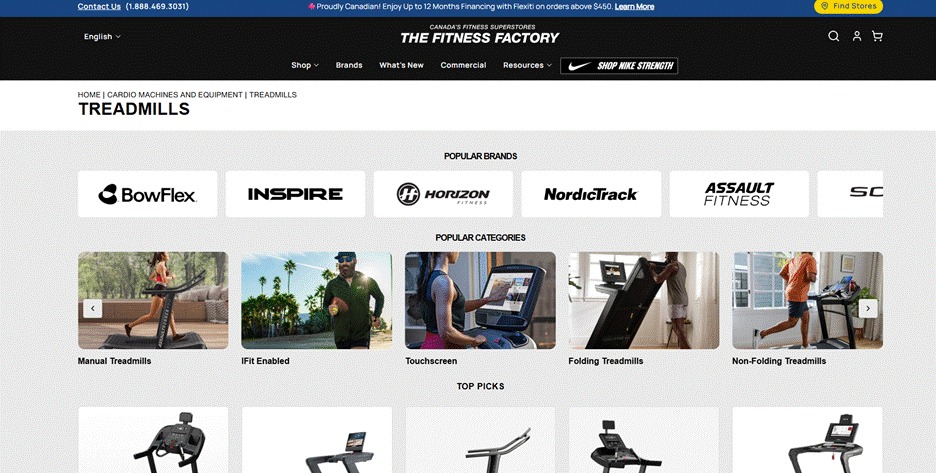
The Fitness Factory carries non-folding treadmills for a sturdier option in your winter workout setup, with models from brands including Matrix and Horizon. Their selection includes heavy-duty frames, heart-rate grips, electronic device holders, adjustable speeds, and incline settings. A non-folding design can suit larger garages where stability takes priority. For tighter spaces, you can choose from folding models such as the Horizon T101-08, giving you a more compact option when the treadmill is not in use.
Ellipticals
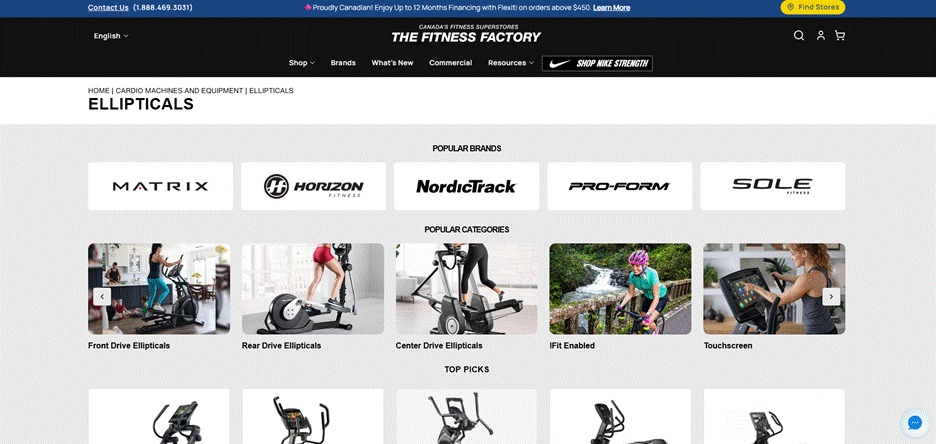
With front-drive, rear-drive, and center-drive models available, The Fitness Factory gives you several elliptical configurations to consider. The Matrix E30, for example, offers 20 resistance levels, a 20-inch stride, oversized pedals, dual-action handlebars, and a low step-on height. Its ECB magnetic braking system provides resistance control, while the console includes workout programs and an energy-saver mode. For a compact alternative, the Bowflex Max Trainer M6 combines elliptical and stepper movement with multiple resistance levels and interval programs.
Rowing Machines
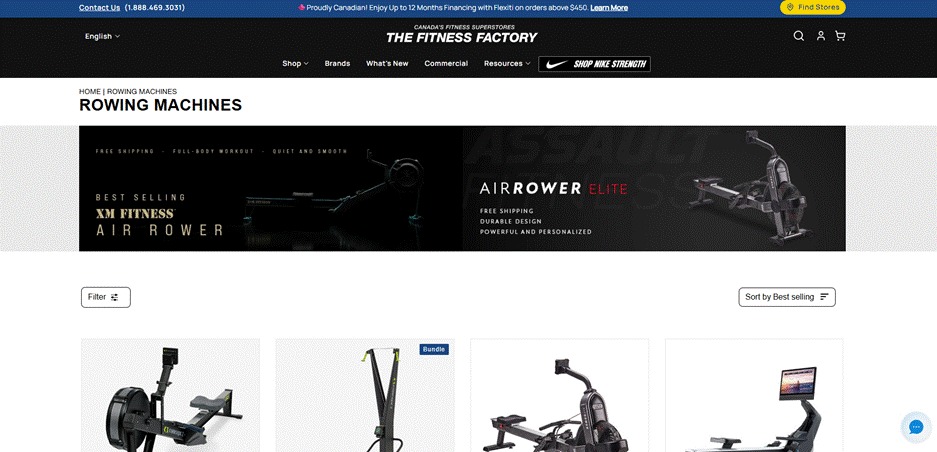
For an indoor full-body workout, the NordicTrack RW900 offers 26 resistance levels, with iFIT adjusting resistance during trainer-led sessions. Its pivoting pedals, flexible foot straps, molded seat, and Soft Touch handle prioritize comfort during longer workouts. The Fitness Factory also carries the more compact ProForm Pro 750R, which uses silent magnetic resistance and a SpaceSaver design that folds for storage. It includes an integrated tablet holder, adjustable handlebars, transport wheels, and a 250-pound weight capacity.
Frequently Asked Questions
If you’re still curious about winterizing your garage, here are the answers to some of the most commonly asked questions.
How do I keep my garage gym warm in winter?
To keep your garage gym warm in winter, start with adequate insulation and structural draft sealing, then choose a heating system suited to the garage. Keeping cold air out makes it easier to maintain a comfortable temperature.
What equipment do I need to set up a home gym?
The basics depend on your training goals and available space. Common equipment includes treadmills, rowing machines and ellipticals.
Can I put gym equipment in an unheated garage?
You can put gym equipment in an unheated garage, but cold temperatures and moisture need to be considered. Condensation can affect exposed metal, so winterizing the space and controlling humidity can help protect equipment.
What flooring is best for a garage gym?
Rubber flooring and interlocking rubber tiles are practical options for many garage gyms. Choose the thickness based on the equipment, impact level, and type of training.
Winter Workouts, Warmed Up
A winter-ready garage gym starts with the room itself. Insulation and draft control help keep the cold out, safe heating makes the space more comfortable, and suitable flooring protects the workout area. Moisture control then helps protect metal equipment from condensation and corrosion.
With those basics handled, you can choose equipment based on your training goals, available floor space, and the conditions in your garage. That preparation can turn a freezing winter workspace into a gym that is ready to go when the temperature drops.