
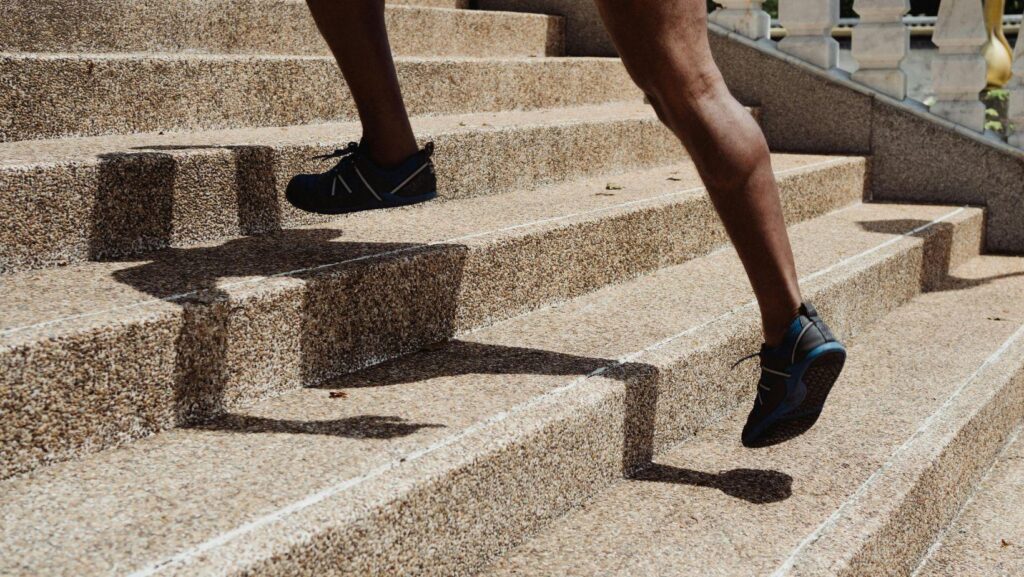
Healthy movement begins at the ground level. Every time we walk, climb stairs, exercise, or simply move around the house, our feet absorb pressure, stabilize the body, and help propel us forward. But there is another part of the body working quietly alongside the feet: the veins.
The relationship between foot health and vein health is easy to overlook. Most people think of them as separate concerns. Foot problems are usually associated with shoes, arches, joints, or muscles, while vein problems are more commonly associated with swelling, spider veins, or varicose veins. In reality, both systems contribute to comfortable movement, and problems in one area can sometimes make the other more difficult to manage.
For someone dealing with persistent leg symptoms, finding care from an experienced vein doctor in Wayne can provide an opportunity to understand the underlying issue rather than simply managing discomfort indefinitely.
Professional evaluation can also help distinguish vein-related symptoms from problems originating elsewhere in the lower body. That distinction matters when the goal is to maintain comfortable movement for years to come.
Why the Feet Matter More Than We Realize
The feet are remarkably complex structures. They contain numerous bones, joints, muscles, tendons, ligaments, nerves, and blood vessels that work together every time a person takes a step.
Walking is not simply a matter of placing one foot in front of the other. The foot needs to absorb impact, adapt to the surface underneath it, maintain balance, and provide enough force to move the body forward. When the feet are uncomfortable, people often change the way they walk without consciously realizing it.
A painful toe, uncomfortable arch, blister, or poorly fitting shoe can encourage someone to place more weight on another part of the foot. Over time, this altered movement pattern can affect the ankles, knees, hips, and even the lower back.
That is why comfortable feet are an important foundation for staying active. But movement itself also plays an important role in circulation, creating an interesting connection between foot function and vein health.
How Movement Supports Venous Circulation
The circulatory system has the demanding task of returning blood from the lower parts of the body back toward the heart. Because the legs are below the heart, gravity makes this process particularly challenging.
The muscles in the lower legs help support this process. When a person walks, muscles contract and relax repeatedly, helping move blood through the veins. The valves inside healthy veins also help guide blood in the appropriate direction.
This is one reason prolonged inactivity can leave the legs feeling heavy or uncomfortable. Sitting for hours at a desk, standing in one place during a long shift, or spending an entire evening on the couch can reduce the amount of natural leg-muscle activity taking place.
Regular movement does not guarantee that a person will avoid vein problems, because factors such as genetics, age, pregnancy, previous blood clots, and other health conditions can also influence vein health. Still, maintaining an active lifestyle is an important part of supporting overall circulation.
When Vein Problems Start Affecting Movement
Vein conditions can develop gradually, and early symptoms are sometimes dismissed as ordinary fatigue. A person might notice that their legs feel unusually heavy toward the end of the day or that their ankles appear more swollen after standing for several hours.
Other symptoms may include aching, itching, cramping, visible varicose veins, or changes in the appearance of the skin. These symptoms do not automatically mean that someone has a serious vein disorder, but recurring or worsening symptoms are worth discussing with a healthcare professional.
The problem is that discomfort can create a cycle. When walking becomes uncomfortable, a person may naturally reduce physical activity. Less movement means less activation of the muscles that assist venous circulation. At the same time, reduced activity can contribute to lower overall fitness and mobility.
Breaking that cycle begins with understanding what is causing the discomfort rather than simply accepting it as a normal part of getting older.
Foot Pain Can Change the Way You Move
The connection also works in the other direction. A foot problem can affect how a person walks, potentially changing the amount of movement they get throughout the day.
Imagine someone who develops persistent heel discomfort. Instead of pushing normally through the foot during each step, they may begin avoiding pressure on the painful area. Another person with a sore toe may shift their weight toward the outside of the foot.
These adjustments can be subtle, but when repeated thousands of times, they can influence movement patterns throughout the lower body.
For people experiencing both foot discomfort and leg symptoms, it is useful to look at the bigger picture. Treating only the location that hurts may not always address every factor contributing to reduced mobility. A comprehensive assessment can help identify whether the problem is primarily musculoskeletal, vascular, or a combination of different issues.
The Hidden Cost of Spending Too Much Time Sitting
Modern lifestyles have created another challenge for healthy movement. Many people now spend large portions of the day sitting at a computer, driving, using a smartphone, or watching television.
Long periods of sitting reduce opportunities for natural movement. Someone may wake up, sit in a car, sit at work, sit during lunch, drive home, and then spend the evening sitting again.
The answer is not to avoid sitting completely. Instead, people can make their day more movement-friendly by getting up regularly, walking during breaks, changing positions, taking short walks, and incorporating physical activity into routines whenever practical.
Even small changes can make movement feel less like another obligation and more like a normal part of the day.
Walking Is One of the Simplest Ways to Support Mobility
Walking is particularly valuable because it combines foot movement with activation of the lower-leg muscles. It is accessible to many people and can often be adapted to different fitness levels.
A short walk after a meal, a few minutes of walking during a work break, or an evening walk around the neighborhood can help reduce the amount of time spent completely inactive.
Of course, people with significant pain, swelling, or mobility limitations should not force themselves through symptoms. The right amount and type of activity depends on the individual's health and physical condition.
The goal is not to turn every person into an athlete. It is to preserve the ability to move comfortably and consistently.
When Persistent Leg Symptoms Deserve Professional Attention
Some symptoms should not simply be attributed to long workdays or getting older. Persistent swelling, recurring leg pain, significant heaviness, visible varicose veins, skin changes, or discomfort that consistently becomes worse after prolonged standing can justify a medical evaluation.
A vein specialist can assess symptoms and determine whether an underlying venous problem may be contributing to them. Diagnostic tools such as venous ultrasound can provide information about blood flow and the function of the veins.
At Vein Specialist Centers in Wayne, New Jersey, the clinic describes an evaluation process that considers a patient's individual symptoms and may include on-site venous ultrasound when appropriate. The practice also offers treatments such as sclerotherapy, vein ablation, VenaSeal, ClariVein, and other minimally invasive approaches depending on the patient's condition.
This individualized approach is important because not every person with visible veins needs the same treatment. A proper evaluation can help determine whether symptoms are related to venous disease and what options may be appropriate.
Choosing the Right Approach to Vein Care
Vein treatment should never be viewed as a one-size-fits-all process. Different vein conditions can require different approaches, and the decision should be based on clinical findings, symptoms, medical history, and individual goals.
The Wayne location of Vein Specialist Centers is led by Dr. Simon Smith, whose professional focus includes vascular imaging and the diagnosis and treatment of vascular disease and varicose veins. The clinic states that treatment planning is personalized following evaluation and, when necessary, diagnostic imaging.
Building a Stronger Foundation for Long-Term Mobility
Healthy mobility is rarely the result of one decision. It develops through everyday habits that support the feet, legs, muscles, joints, and circulatory system.
Wearing comfortable and appropriate footwear can help support natural movement. Regular physical activity can keep the lower body engaged. Breaking up long periods of sitting can create more opportunities for movement. Maintaining a healthy body weight when appropriate and addressing persistent symptoms rather than ignoring them can also contribute to long-term wellness.
Perhaps most importantly, people should pay attention to changes in how they move. If a person who once enjoyed daily walks suddenly begins avoiding them because their legs feel heavy or their feet hurt, that change deserves attention.
Mobility is something many people take for granted until it becomes difficult. Protecting it means noticing the small warning signs before they become larger obstacles.
Conclusion
The feet and veins may seem like separate parts of the body, but they are closely connected through movement. The feet provide the foundation for walking, while the muscles and veins of the lower legs work together to support circulation as we move.
When foot discomfort limits walking, activity can decline. When vein symptoms make the legs feel heavy or painful, movement can become less appealing. Over time, either situation can affect a person's confidence, fitness, and ability to stay active.
The good news is that awareness can make a difference. Regular movement, attention to foot comfort, healthy daily habits, and professional evaluation of persistent symptoms can all support better long-term mobility.
Healthy movement is not only about stronger muscles or flexible joints. It begins with the foundation beneath us and the circulation working quietly through our legs. Taking care of both can help people stay active, independent, and comfortable for the years ahead.