
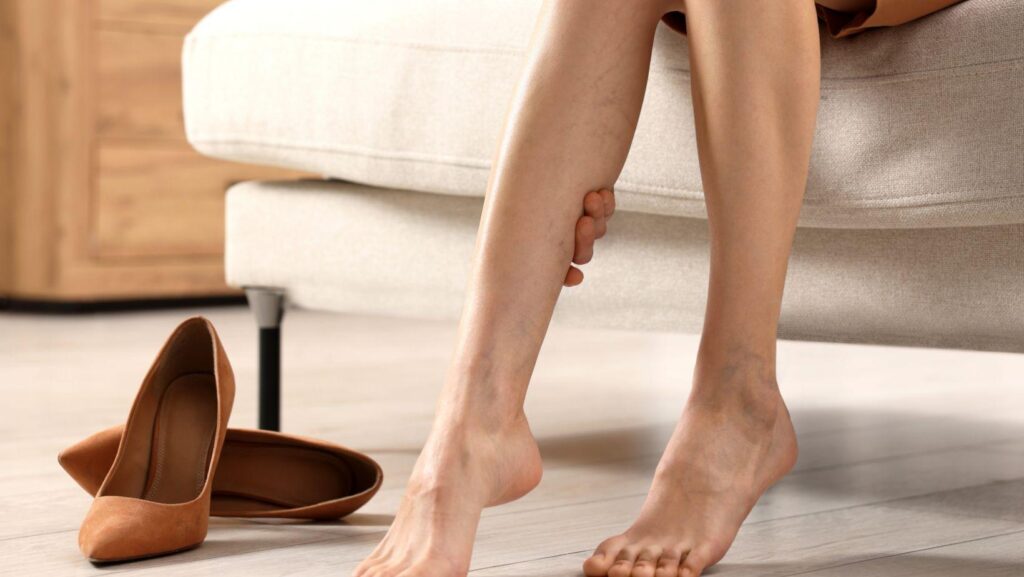
Leg fatigue is easy to dismiss. After a long day at work, a busy afternoon of errands, or several hours spent standing, it is normal to feel that the legs need a break. Usually, some rest, a good night's sleep, and a little movement are enough to bring them back to normal.
But what happens when that tired, heavy feeling keeps returning?
Persistent leg fatigue can have many possible causes. Muscles may simply be overworked, footwear can contribute to discomfort, or a sedentary routine can make the legs feel stiff and sluggish. In some cases, however, recurring heaviness or fatigue may be connected to the way blood moves through the veins of the legs. When these symptoms persist or become more noticeable, some people may benefit from choosing to visit an accredited vein center in Orlando for a professional evaluation.
Understanding that connection is important because healthy circulation plays a role in how comfortable the legs feel during everyday activities. It can also influence how well someone recovers after spending long periods on their feet or sitting in one position.
Why Do Legs Feel Tired?
Leg fatigue is not always the same as ordinary muscle tiredness. After exercise, muscles can naturally feel worn out because they have been working harder than usual. That type of fatigue generally improves with rest and recovery.
Circulation-related leg fatigue can feel different. Some people describe their legs as heavy, achy, tired, or unusually difficult to move after standing or sitting for extended periods. Swelling around the ankles or lower legs may also occur.
The veins have an important job. They carry blood from different parts of the body back toward the heart. In the legs, this process has to work against gravity. Small valves inside the veins help keep blood moving in the right direction.
When those valves do not function properly, blood can have difficulty returning efficiently. This can contribute to increased pressure within the veins and may lead to symptoms such as swelling, aching, heaviness, or fatigue.
The Role of Veins in Leg Recovery
Recovery is often associated with muscles. We think about stretching after exercise, getting enough sleep, drinking water, and giving the body time to rest. Circulation is another part of the picture.
During normal activity, the muscles in the legs contract and relax. These movements can help encourage blood to move upward through the veins. When someone remains still for a long time, that muscular assistance becomes less active.
This is one reason prolonged sitting or standing can leave the legs feeling uncomfortable. A person may finish a workday with tired legs even without doing anything that would normally be considered exercise.
Over time, recurring symptoms should not automatically be blamed on being busy or getting older. If leg heaviness, swelling, aching, or fatigue becomes a regular part of daily life, it is worth considering whether there may be an underlying reason.
Chronic Venous Insufficiency and Leg Fatigue
One condition associated with these symptoms is chronic venous insufficiency, often abbreviated as CVI. It occurs when the veins have difficulty returning blood effectively from the legs toward the heart.
CVI can develop for different reasons, including problems involving the valves within the veins. When blood does not move efficiently upward, it can pool in the lower extremities. This may contribute to swelling, discomfort, skin changes, and a feeling of heaviness or fatigue.
Not everyone with tired legs has venous insufficiency. Similar symptoms can occur with muscle problems, joint conditions, nerve-related issues, medication effects, or simply prolonged physical activity. That is why looking at the pattern of symptoms is more useful than trying to identify a cause based on one symptom alone.
For example, someone who regularly notices heavy or aching legs after standing for several hours may want to discuss the pattern with a healthcare professional, particularly if the symptoms are becoming more frequent.
Why Prolonged Sitting and Standing Matter
Modern lifestyles can be surprisingly demanding on the legs. Office workers may spend most of the day sitting, while retail employees, healthcare workers, teachers, hospitality staff, and others may spend hours standing.
Both situations can affect how the legs feel.
Remaining in one position for a long time reduces the amount of natural movement taking place in the lower limbs. Standing for extended periods can also place additional demands on the circulatory system because blood must continually travel upward against gravity.
This does not mean that sitting or standing is inherently harmful. The bigger issue is a lack of regular movement and changes in position.
Simple habits can make a difference. Walking for short periods, moving the ankles, changing positions, and taking regular breaks can help keep the legs active throughout the day. These habits are particularly useful for people whose jobs require long periods of sitting or standing.
Recovery Should Include More Than Rest
When the legs feel tired, the natural response is often to sit down and stop moving. Rest certainly has a place in recovery, but complete inactivity is not always the best approach.
Gentle movement can be useful when it is comfortable and appropriate for the individual. A short walk, light stretching, or simple ankle movements can help break up long periods of inactivity.
The goal is not to push through significant pain. Instead, it is about creating a healthier balance between activity and recovery.
Someone who experiences persistent symptoms should also pay attention to what makes them better or worse. Do the legs feel heavier at the end of the day? Does swelling appear after prolonged standing? Do symptoms improve after resting or elevating the legs? Are visible veins becoming more noticeable?
These details can give a healthcare professional useful information during an evaluation.
When Leg Fatigue Deserves More Attention
Occasional tiredness is usually not a reason for concern. Persistent or worsening symptoms, however, deserve a closer look.
Leg fatigue becomes more important to evaluate when it regularly interferes with walking, exercise, work, sleep, or other everyday activities. Swelling, recurring aching, visible varicose veins, skin changes, cramping, itching, or a persistent feeling of heaviness can also provide useful clues.
A proper evaluation may involve discussing medical history and symptoms, examining the legs, and, when appropriate, using ultrasound to look at blood flow and identify problems with the veins.
This type of assessment can help distinguish circulation-related problems from other possible causes of leg discomfort.
It is also important not to ignore sudden symptoms. Sudden swelling, pain, warmth, or discoloration affecting one leg can have different causes and may require prompt medical attention. Shortness of breath or chest pain occurring with possible signs of a blood clot is an emergency and requires immediate medical care.
What Can Support Healthier Legs?
Healthy vein habits are not limited to medical treatment. Everyday movement remains important.
Walking is a simple way to keep the leg muscles active, while regular changes in position can help prevent the legs from remaining still for hours at a time. Maintaining a healthy body weight, staying physically active within personal limits, and following medical advice for existing conditions can also support overall leg health.
For people who work at a desk, taking short movement breaks throughout the day can be more realistic than trying to compensate for eight hours of sitting with one intense workout in the evening.
Likewise, people who stand for work can benefit from opportunities to sit, walk, and change positions when possible.
These habits do not replace medical evaluation when symptoms persist, but they can become part of a broader approach to maintaining comfortable and active legs.
When Professional Vein Care May Be Appropriate
If recurring leg fatigue is affecting quality of life, professional evaluation can help determine whether the veins are contributing to the problem.
A vein specialist can look beyond the visible appearance of varicose or spider veins. In some cases, the underlying issue may involve venous reflux or another circulation problem that is not obvious from appearance alone.
Treatment, when recommended, depends on the underlying diagnosis. Modern vein care can include minimally invasive approaches such as radiofrequency ablation or foam-based treatments for certain types of venous disease. The appropriate option depends on a person's symptoms, anatomy, ultrasound findings, medical history, and treatment goals.
The important point is that treatment should begin with understanding the cause rather than simply trying to mask the symptom.
Better Recovery Starts With Understanding the Cause
Leg fatigue may seem like a small inconvenience, but recurring discomfort can gradually influence how a person moves through everyday life. Someone who once enjoyed long walks may start taking shorter routes. A person who liked standing while cooking may begin sitting more often. Exercise may become less appealing because the legs already feel tired.
That is why recovery and vein health deserve to be considered together.
Rest is important, but so is movement. Healthy habits matter, but so does understanding persistent symptoms. And when circulation may be contributing to discomfort, getting the right evaluation can provide information that self-care alone cannot.
The goal is not simply to have legs that look healthy. It is to support legs that can carry you through work, exercise, travel, family activities, and ordinary daily routines with as much comfort and confidence as possible.
Conclusion
Leg fatigue can have many explanations, and not every tired leg is a sign of vein disease. Still, persistent heaviness, swelling, aching, or fatigue should not always be written off as a normal consequence of a busy lifestyle.
The veins play an important role in returning blood from the legs to the heart, and problems with that process can contribute to uncomfortable symptoms. Paying attention to recurring patterns, staying active, taking movement breaks, and seeking professional advice when symptoms persist can all be part of a sensible approach to leg health.
When the cause of ongoing leg fatigue is unclear, understanding what is happening beneath the surface can be the first step toward better recovery and more comfortable movement. Healthy legs are not just about feeling better at the end of the day. They are about preserving the freedom to keep moving through everyday life.